
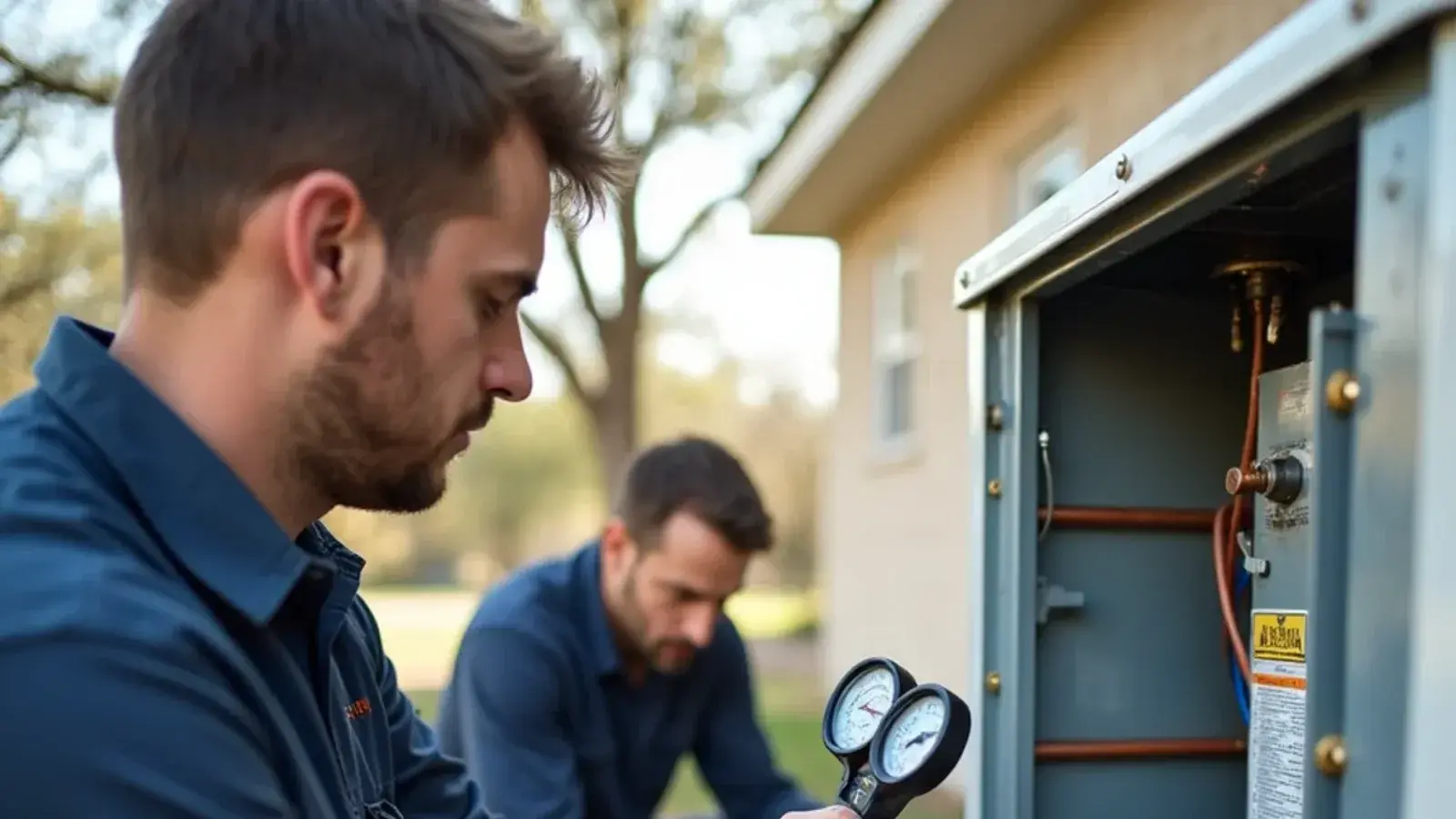
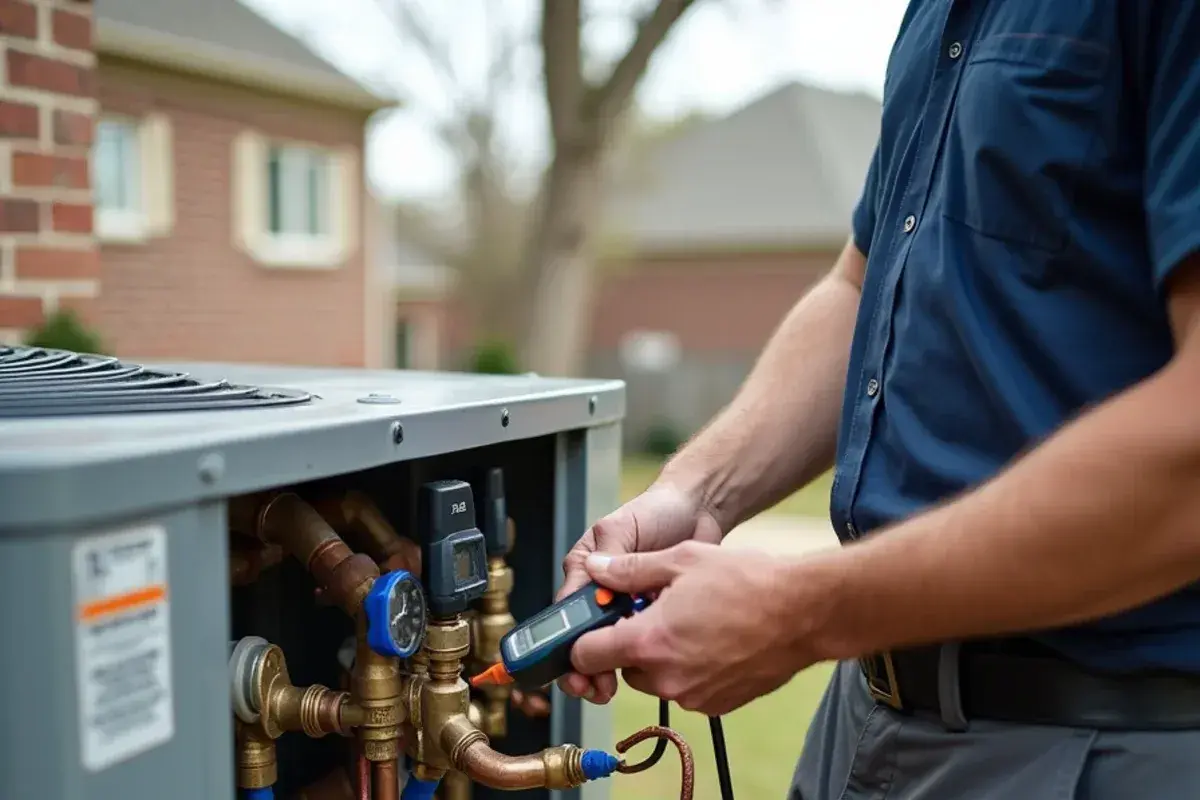
A sudden heat pump failure in Killeen, TX, can disrupt your household in any season. Because heat pumps run almost year-round—cooling against intense Central Texas summer sun and reversing their thermodynamic cycle to supply heat during freezing winter cold snaps—they endure twice the annual operational runtime of standalone systems. When a heat pump malfunctions, accurate troubleshooting requires specialized competence in bi-directional refrigerant circuits, electronic defrost controls, and auxiliary electric heat strip staging.
The experienced mechanical technicians at Quality Heating & Air Conditioning bring decades of specialized heat pump diagnostic experience to every service call. Whether your outdoor condensing unit is locked in solid ice, refusing to shift out of cooling mode, or hissing loudly from an internal valve leak, our service trucks arrive equipped to resolve failures across Killeen, Harker Heights, and Temple.
Common emergency symptoms and heat pump failures in Killeen
Because heat pump machinery experiences continuous mechanical strain, component failures often produce distinct warning indicators. Recognizing these symptoms allows you to schedule prompt service before secondary damage ruins your compressor:
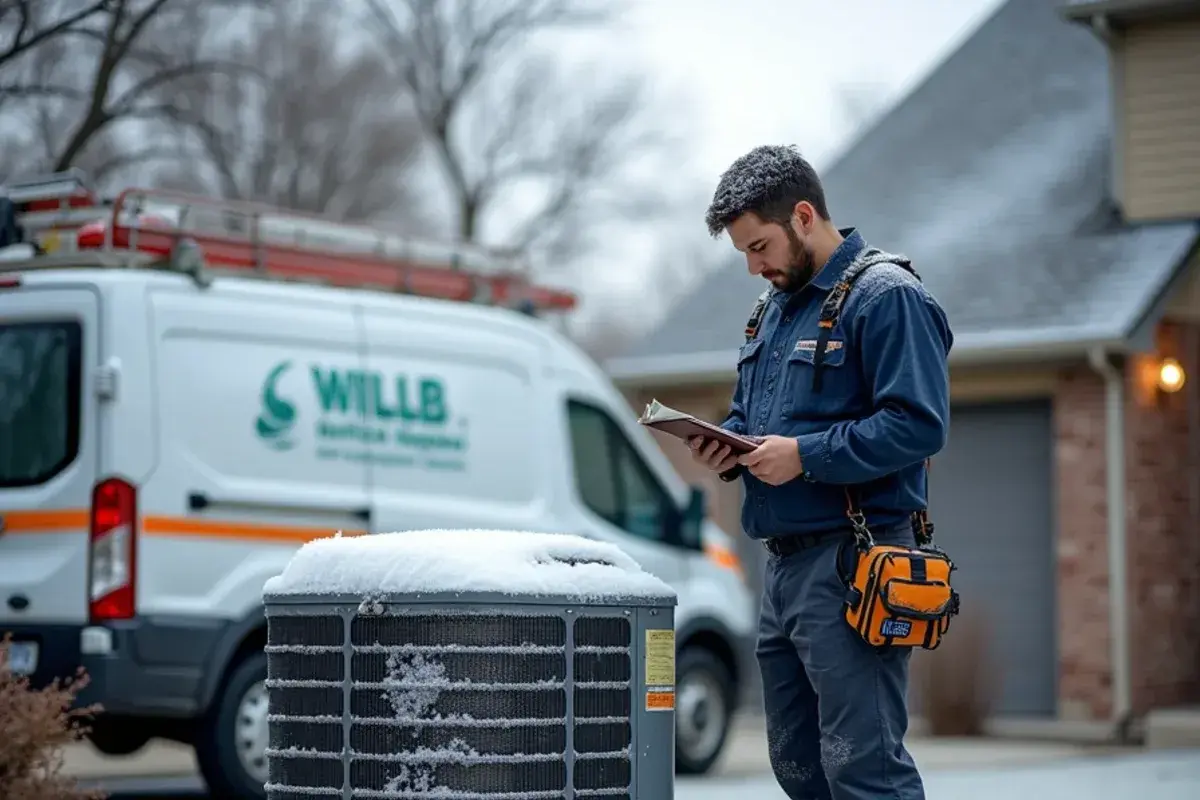
- Outdoor Coil Trapped in Solid Ice: A light layer of surface frost is normal in winter, but a solid block of ice encasing the outdoor unit signifies a failed defrost thermistor, bad defrost relay, or severe refrigerant undercharge.
- System Blowing Unheated Air in Winter: If indoor registers discharge cool 65°F air while the system calls for heat, the reversing valve may be mechanically stuck or its 24-volt solenoid coil may have burnt out.
- Constant Auxiliary Heat Activation: When the thermostat displays AUX heat during mild 50°F weather, the heat pump compressor has locked out, forcing high-amperage electric resistance heat strips to handle the entire heating load.
- Loud Hissing or Gurgling Sounds: A loud whooshing or hissing noise inside the outdoor cabinet indicates that high-pressure discharge refrigerant is leaking past the internal reversing valve slide directly into the suction line.
- Rapid Compressor Short-Cycling: Cycling on and off every few minutes points to faulty high-pressure safety switches, restricted indoor airflow, or an oversized auxiliary heat bank tripping high-limit cutoffs.
What our professional heat pump repair service covers in Central Texas
Diagnosing dual-mode heat pump equipment requires testing across electrical, mechanical, and thermodynamic sub-assemblies. Our complete heat pump repair capabilities include:
- Four-Way Reversing Valve Diagnostics and Replacement: Testing electromagnetic solenoid coils, checking pilot capillary tubes, and brazing replacement valve bodies under a continuous dry nitrogen purge.
- Solid-State Defrost Board and Sensor Troubleshooting: Testing demand defrost sensors, calibrating ambient thermistors, and verifying timed defrost cycle initiation and termination.
- Bi-Flow Filter Drier and Refrigerant Leak Repair: Locating micro-leaks in dual-pressure circuits using electronic sniffers and installing bi-directional liquid line filter driers.
- Auxiliary Electric Heat Strip Sequencer Servicing: Inspecting multi-stage heating sequencers, testing individual nickel-chromium heating elements, and replacing open thermal cutoffs.
- Indoor Airflow and Blower Motor Calibration: Measuring static duct pressure, balancing supply airflow CFM, and tuning multi-speed blower taps for optimal heat transfer.
- Dual-Mode Refrigerant Charge Calibration: Connecting digital manifold gauges with pipe temperature clamps to calculate superheat in cooling and subcooling in heating against factory data plates.
Why do outdoor heat pump coils freeze solid during Central Texas winter freezes?
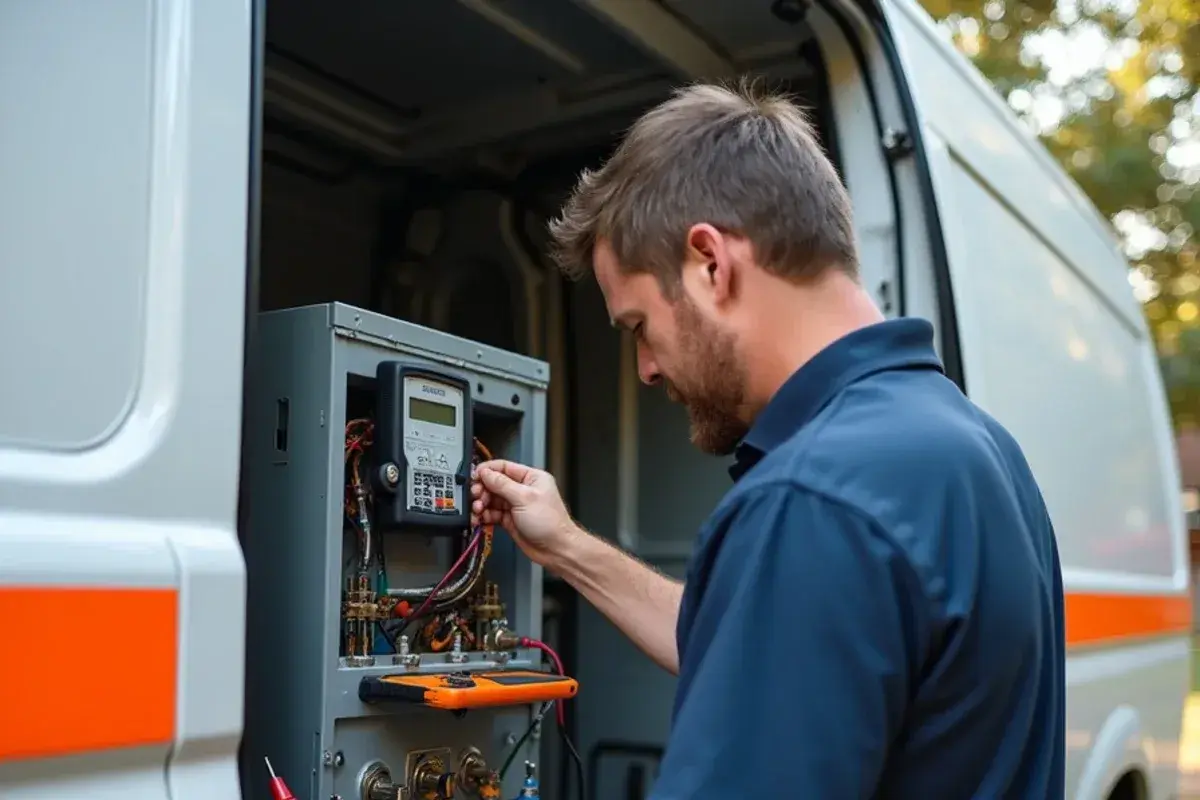
During cold, damp winter days in Bell County, an outdoor heat pump absorbs thermal energy from ambient air. Because the outdoor coil operates at temperatures ten to fifteen degrees below the surrounding air temperature, ambient humidity naturally condenses and freezes into frost on the aluminum coil fins.
Under normal operating conditions, an automated electronic defrost cycle runs every 30, 60, or 90 minutes. The system temporarily shifts the four-way reversing valve back to cooling mode, directing hot compressed refrigerant gas into the outdoor coil to melt the ice, while staging indoor electric heat strips to prevent cold drafts indoors.
However, if the defrost thermistor unclips from the copper tubing, the outdoor fan motor fails, or the electronic circuit board fails to trigger the reversing relay, ice accumulates continuously. Within hours, solid ice encases the coil, choking airflow, bending aluminum fins, and causing liquid refrigerant to flood back into the compressor. Our technicians safely thaw the coil, test sensor resistance curves, and replace defective defrost control boards to restore automated ice protection. Explore our comprehensive heat pump service for complete seasonal check-ups.
Diagnosing four-way reversing valve failures and internal gas bypass
The four-way reversing valve is the mechanical component that gives a heat pump its dual-mode capabilities. Controlled by a 24-volt solenoid coil, an internal Teflon slide moves between ports to direct refrigerant flow. When energized in heating mode, it routes hot discharge vapor directly to the indoor evaporator coil.
Over thousands of operating cycles, mechanical wear, acid contamination, or copper shavings can cause the internal slide valve to jam in mid-travel. When this occurs, high-pressure hot gas bypasses internally into the low-pressure suction port. Our technicians confirm internal bypass by clamping digital temperature probes onto all four copper lines entering the valve body. If the temperature differential across the low-pressure ports is less than five degrees, internal leakage is confirmed. Replacing a reversing valve requires recovering all refrigerant under EPA protocols, cutting out the old brass body, and silver-brazing a new valve assembly under nitrogen to prevent internal oxidation.
Our six-step heat pump troubleshooting and component repair protocol
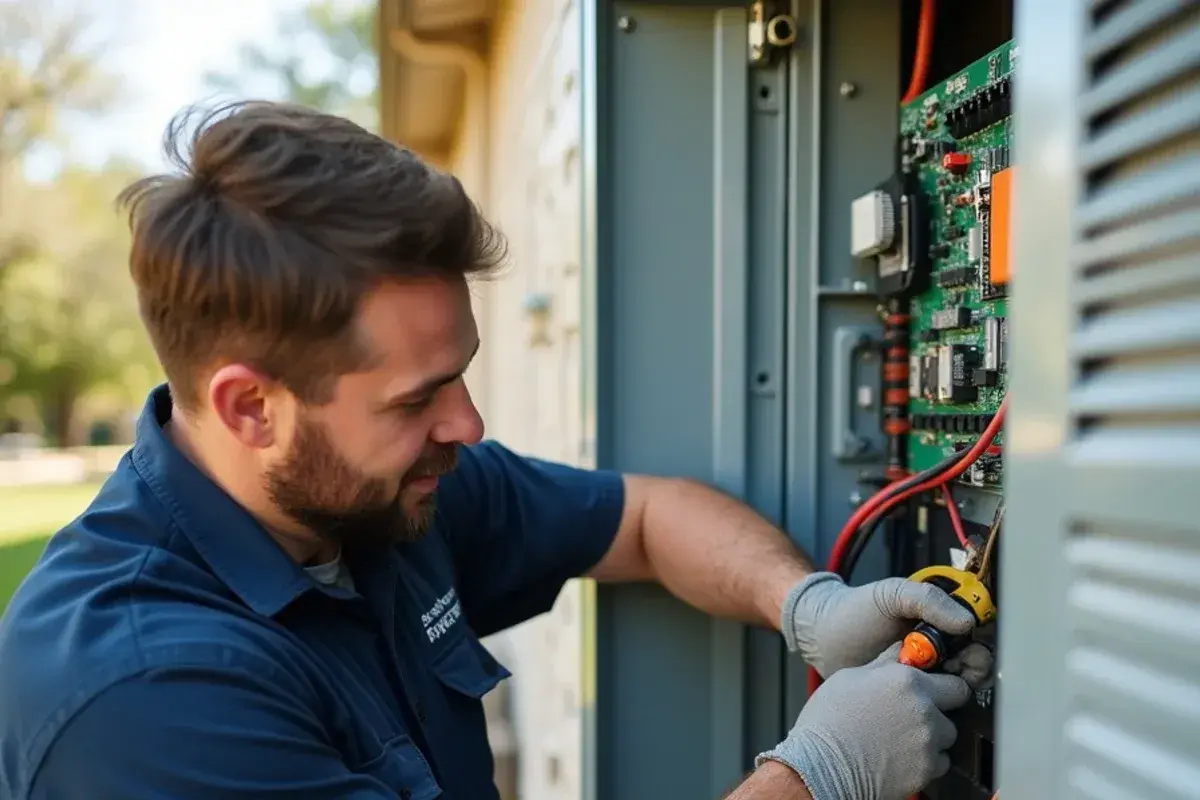
Executing a safe, dependable heat pump repair demands a disciplined diagnostic procedure. Our certified technicians complete a systematic six-step troubleshooting protocol on each repair call:
- Thermostat Signal and Electrical Interlock Verification: We check low-voltage control signals from the wall thermostat, verify contactor points, and measure 24-volt transformer voltage under full operational load.
- Four-Way Reversing Valve and Solenoid Analysis: Technicians check solenoid coil resistance in ohms, test 24V energization, and measure copper pipe temperatures to confirm positive valve seating.
- Forced Defrost Cycle and Thermistor Calibration: We jump test terminals on the solid-state defrost board, confirming that the system shifts into defrost, stops the outdoor fan, and energizes indoor auxiliary heat.
- Auxiliary Heat Sequencer and Element Amp Draw Check: We test individual electric heat strips with clamp-on ammeters to confirm proper staging and verify automatic thermal safety limit switches.
- Dual-Mode Pressure and Superheat/Subcooling Analysis: We measure operating pressures in both cycles using digital gauges, verifying that the bi-directional thermal expansion valve (TXV) meters refrigerant accurately.
- Full Cycle Operational Testing and Homeowner Review: We run the system through complete heating and cooling cycles, measure indoor temperature rise, verify emergency heat functions, and document all repairs clearly.
What factors influence heat pump repair costs in Bell County?
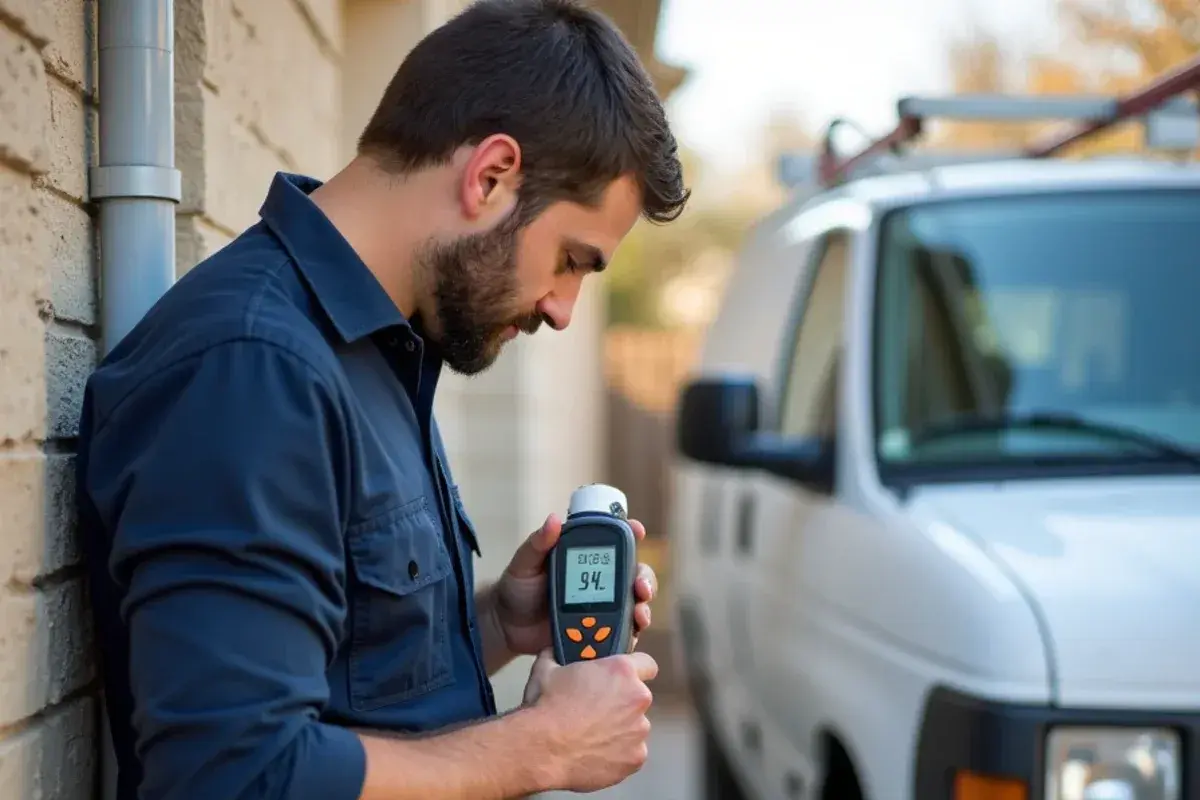
Understanding heat pump repair costs helps homeowners make practical decisions when equipment malfunctions. Our transparent diagnostic pricing credits your initial evaluation fee directly toward authorized repairs:
- Minor Electrical and Sensor Repairs: Frequent repairs—such as installing a new run capacitor, swapping a 24V solenoid coil, or replacing a clipped thermistor—require standard parts and quick labor turnaround.
- Intermediate Circuit Board and Sequencer Replacements: Replacing a solid-state demand defrost board or a multi-stage indoor heat sequencer requires specialized wiring calibration and safety verification.
- Major Sealed-System Overhauls: Replacing a stuck four-way reversing valve or compressor requires refrigerant recovery, nitrogen-shielded brazing, deep vacuum dehydration, and factory refrigerant recharging.
- Repair vs. Replacement Evaluation: If an older R-410A heat pump over twelve years old suffers an expensive compressor burnout or severe coil corrosion, applying our 50 percent rule helps determine if upgrading to a modern heat pump installation delivers greater long-term reliability.
Certified mechanical licensing, TDLR compliance, and local expertise in Killeen
Because heat pump equipment incorporates dual high-voltage electrical connections, combustible auxiliary heat coils, and pressurized refrigerants, repair work is strictly regulated by state statutes and municipal building codes. In Killeen, mechanical work must satisfy the adopted 2021 International Residential Code. Unqualified repairs risk electrical fires, improper defrost operation, and compressor failure.
Every heat pump repair project is conducted under state license #TACLB23981E. This master TDLR designation authorizes full-scope mechanical repairs without tonnage limitations. Our technicians also maintain EPA Universal certification. We adhere to local safety codes, pull required permits for major component replacements, and test every safety control before completing a service visit.
Founder Oliver Kilpatrick started Quality Heating & Air Conditioning right here in Killeen back in 1973, establishing reliable heat pump services across Bell County. Today, through three generations of family ownership, company president Jerry Kilpatrick manages operations from our shop at 1112 Florence Rd. Our mobile service units carry universal defrost controls, contactors, and solenoids to resolve most heating and cooling emergencies on our first visit.
Where we do heat pump repair around Killeen
A few of the communities we serve, and what this service usually looks like there.
- Heat Pump Repair in Temple, TX
Temple property owners trust our skilled technicians to resolve stuck reversing valves and restore heating during sudden cold snaps.
- Heat Pump Repair in Copperas Cove, TX
Copperas Cove hillside residences count on our prompt service to thaw frozen heat pump coils and repair defrost sensors.
- Heat Pump Repair in Harker Heights, TX
Harker Heights family homes receive comprehensive heat pump troubleshooting that eliminates high winter electric bills.
- Heat Pump Repair in Belton, TX
Belton lakeside properties depend on our technicians to diagnose refrigeration leaks and calibrate bi-flow filter driers.
- Heat Pump Repair in Fort Cavazos, TX
Off-post rental homes near Fort Cavazos rely on our swift dispatch when heat pumps fail to shift between seasonal modes.
- Heat Pump Repair in Nolanville, TX
Subdivisions along I-14 rely on our team for precision diagnostic testing of electronic defrost control boards.
- Heat Pump Repair in Salado, TX
Custom stone homes in Salado receive meticulous mechanical service that preserves quiet, energy-efficient heat pump operation.
- Heat Pump Repair in Gatesville, TX
Coryell County ranch properties count on our fully stocked mobile service vans to repair rural heat pump systems quickly.
- Heat Pump Repair in Kempner, TX
Rural homes along US-190 trust our skilled team to troubleshoot dual-fuel controls and electric auxiliary heating stages.
Google reviews that mention work like heat pump repair
3.8 out of 5 from 57 Google reviews
“I should not tell you how pleasant it is to be able to text your air conditioner company and have them respond and show up when they say they will. They absolutely fix everything that has an issue. They are pleasant to deal with. The reason I should not tell you this is that you will use them and if everyone starts to use them then they will be busy. But good service and people should be rewarded. Cory is the owner and I highly recommend his work ethic and responsiveness. Great prices as well. You have air issues? Use this company.”
- Responsiveness
- Punctuality
- Quality
- Value
Services: Air conditioning repair & service
“I called on a Saturday at 8am, problem was fixed by 9:30am!!! Excellent service and Max was super friendly, honest and professional. Highly recommend this company!!! Five stars.”
- Weekend emergency service
- Punctuality
- Professionalism
Services: Emergency Saturday AC repair
Response from the owner: Thank you for your kind words. We appreciate your business and look forward to future business with you.
“Awesome place! They came out and did an estimate on my a/c that was freezing over. Determined it needed cleaning. I had them come out after an estimate of $350-$400, when I was quoted $500 by a different company not long before. The guys Dale and Max were very nice and professional. They came in pulled the coils and cleaned them. They put everything back and cleaned up. They treated myself and my family with respect and were very nice to our cats as we run a rescue in our home. Max is allergic to cats and never once complained! I will continue to use their company for my heating and air conditioning needs! The final cost was $375 for them to pull and clean my a/c coils. Very affordable!!”
- Fair pricing
- Quality workmanship
- Clean work area
- Affordability
Services: Frozen AC coil cleaning & diagnosis
Response from the owner: Thank you for your kind words. We appreciate your business and look forward to future business with you.
Frequently asked questions about heat pump repair in Killeen?
Why is my heat pump covered in ice?
A light coating of frost is normal during cold weather, but thick, solid ice encasing the entire unit indicates a failure. The most common causes are a defective defrost control board, a failed defrost temperature sensor, low refrigerant charge from a leak, a seized outdoor fan motor, or severe coil debris blocking airflow. If left unaddressed, ice can bend aluminum fins and destroy the fan blade.
What does a failing reversing valve sound like?
A failing reversing valve often emits a loud, continuous hissing or whooshing sound inside the outdoor unit. This noise occurs when the internal Teflon slider sticks halfway between heating and cooling positions, allowing high-pressure discharge gas to bypass directly into the low-pressure suction line without transferring heat to your home.
Why is my heat pump running constantly in winter?
Heat pumps are engineered to run for extended cycles during cold weather, providing a steady flow of moderate warmth. However, if the system runs non-stop without reaching your thermostat setpoint, it indicates an issue such as a stuck reversing valve, low refrigerant charge, or an outdoor temperature below the balance point where auxiliary heat strips should engage.
Should my heat pump switch to emergency heat on its own?
No. Emergency heat is typically a manual setting selected at your thermostat when the outdoor compressor fails completely. In normal automatic operation, your system should engage 'auxiliary heat' to supplement the heat pump during extreme freezes while keeping the energy-efficient compressor running.
Still have a question about heat pump repair? Ask us directly.
Call (213) 423-7827